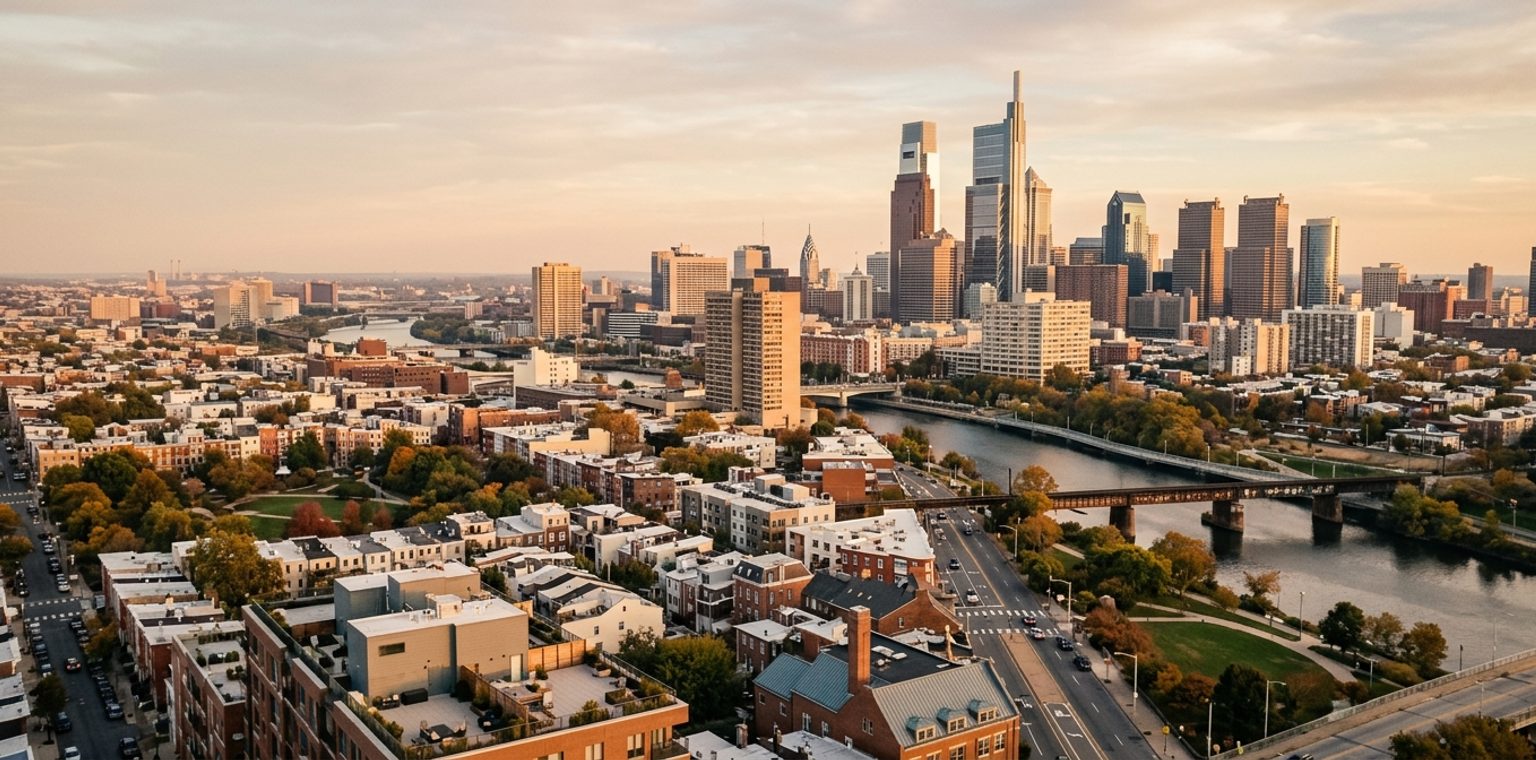
How Much Does Plumbing Cost in Philadelphia?
This price is for a standard Water Heater Replacement in Philadelphia. See other plumbing service prices ↓
That is the modeled cost to deliver plus a fair contractor margin, not a sales quote. Built from BLS metro wages, Craftsman labor hours, a real bill of materials, and hand-verified permit data. 2026-08-28
Show the math
The margin is the gap between break even and a typical quote, not a markup we invent. Fair margin moves with trade and market. Most land at a 15 to 22 percent margin on the bid, roughly 18 to 28 percent over the cost to deliver, and free labor does not exist. Full methodology.
Is your plumbing bid fair?
Calculate your Philadelphia true cost.
Show the math: how Philadelphia Water Heater Installation numbers are derived Click to expand
What you pay for in Philadelphia.
Every plumbing dollar in Philadelphia, split into labor, materials, permit, overhead, and the contractor margin. The first four are the cost to deliver. The margin is what a fair job earns on top.
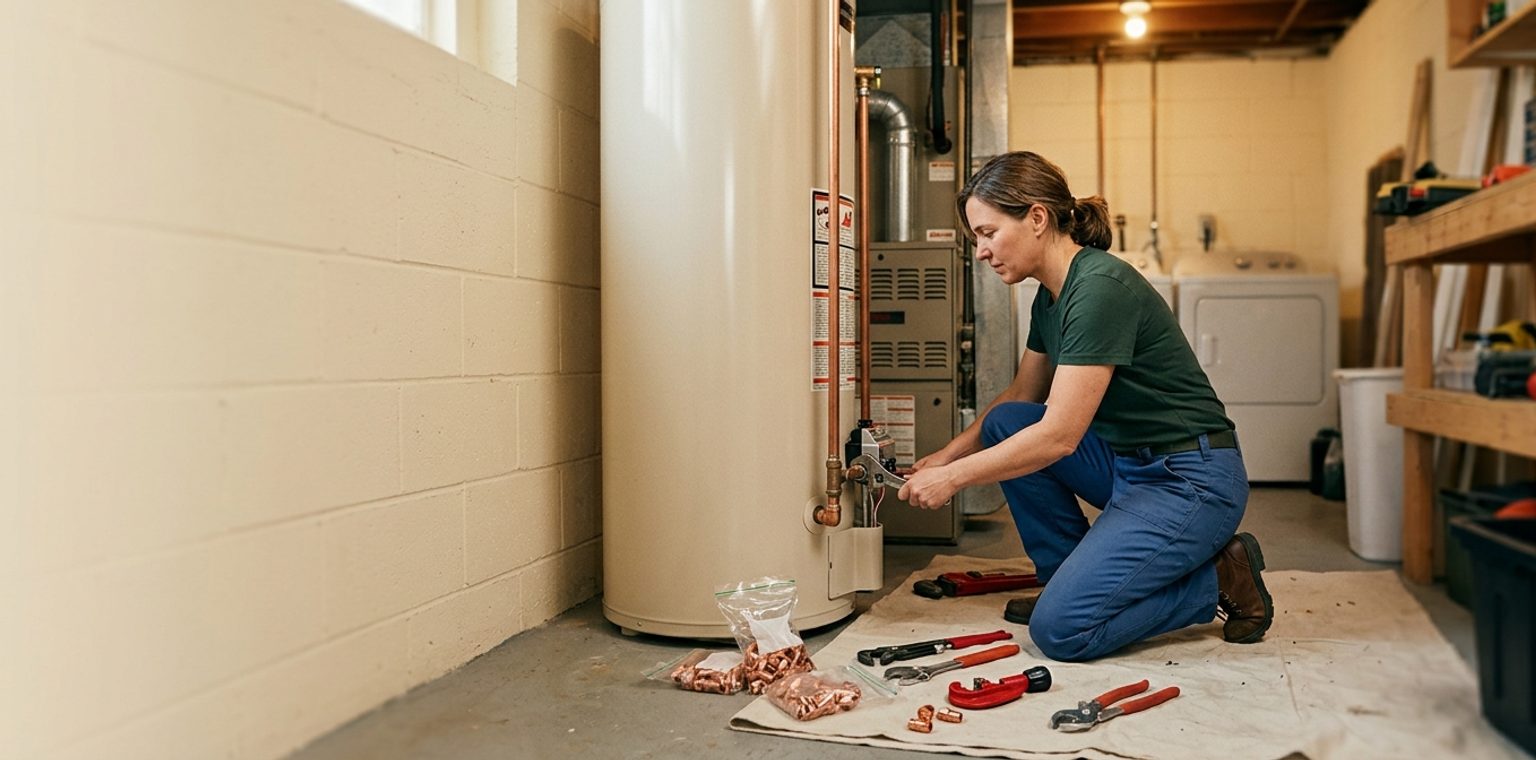
See cost by project size
What water heater installation costs at your size.
Priced at the standard gallon sizes. Pick the one that matches your system.
| Size | Typical | Range |
|---|---|---|
| 50 gallon | $1,971 | $1,851 to $2,167 |
| 60 gallon | $2,593 | $2,436 to $2,850 |
| 75 gallon | $3,889 | $3,653 to $4,275 |
Scaled from TheFatBook's per-size cost model, the same one behind the calculator.
Tank vs tankless water heater
The two water heater paths, with real Philadelphia install cost. Tank is cheaper to put in; tankless costs less to run and lasts about twice as long.
- Lower upfront cost
- Simple like-for-like swap
- Runs out on long back-to-back demand
- Standby heat loss raises the bill
- Endless hot water on demand
- Lasts about 20 years, half the standby waste
- Higher upfront cost
- Often needs a gas line or venting upgrade
Philadelphia plumbing prices run 7.6 percent above the national average. That puts a standard water heater installation at $1,971 while the lowest realistic price sits at $1,851. I built the index that pulls these numbers straight from Craftsman hours, BLS wages, FRED material trends and verified permit data. The spread is smaller than many cities yet still leaves real money on the table. This page shows exactly where that money goes and how to keep more of it in your pocket.
Numbers on this page come from Craftsman labor hours, BLS OES May 2025 wages for Philadelphia, FRED material prices, and the verified local permit fee. Population, income, home values and housing age come from the U.S. Census Bureau (QuickFacts and the American Community Survey); unemployment from the BLS Local Area Unemployment Statistics; building permits from the Census Bureau via FRED. How we calculate
Local Market
Philadelphia's population has declined 1.8 percent since 2020, and the median home value is $243,100 (U.S. Census Bureau QuickFacts). That combination delivers high affordability yet the vast pre-war housing stock demands constant maintenance. Plumbing bids here feel the weight of that old infrastructure. Our data puts the city average for water heater installation at $1,971. Even then, the cost to deliver sits at $1,613 before any margin. Local loaded wages reach $71.44 per hour after the 38.8 percent burden on the $51.48 base BLS figure. So those three and a half hours of Craftsman labor add up fast inside century-old walls. The 53.2 percent home ownership rate keeps steady demand rolling across neighborhoods even as the city shrinks slightly. Unemployment sits at 4.1 percent in the metro so labor supply stays adequate but not abundant. Contractors therefore protect their margins on every job. The result is that 18.2 percent average margin we track. Not outrageous. Still enough to matter when you're writing the check.
Philadelphia shows a shrinking population but those old houses still need constant plumbing attention. The loaded wage around seventy one an hour looks about right for the region. Labor supply stays decent with about four percent unemployment yet the pre-war stock keeps guys booked solid. If this were my money I'd lock in a plumber who already knows his way around galvanized lines before the busy season hits.
Understanding Your Bid
I opened the typical Philadelphia plumbing bid and immediately looked for the fat. The average quote lands at $1,971 while the modeled floor is $1,851 (TheFatBook cost index, 2026). That leaves $120 of potential savings between them. Plus, the contractor margin comes in at 18.2 percent once you subtract the $1,613 cost to deliver from the average price. Pause on that. Some bids hit $2,167. Those are the ones that make me raise an eyebrow. Not every plumber inflates the numbers but plenty do when they sense the homeowner lacks a reference point. The floor isn't bare cost. It represents the lowest defensible price after a lean but sustainable margin in this market. Anything above $1,971 starts to feel like extra padding. It'll tell you in plain numbers whether the quote sits in the fair band or drifted higher for no good reason. Philadelphia bids rarely swing wildly yet that doesn't mean they're all honest.
Check your bid against these numbers →
Cost Breakdown
Break the $1,971 Philadelphia water heater job into its pieces and the math becomes clear (Craftsman, 2026). Labor eats 3.4 Craftsman hours of install work plus an hour hauling out the old tank, at the local loaded rate of $71.44 per hour, for a total of $311. Add the $964 in PPI-adjusted materials plus the $31 permit fee pulled from PermitCalculator data and a $25 old-unit disposal fee. Direct costs reach $1,331. Layer on $282 of overhead allocation taken from NAHB benchmarks and you land at the $1,613 cost to deliver. Everything above that line is margin. Pre-1978 lead paint hazards in older Philadelphia housing often require lead-safe RRP work practices once walls open up in a pre-1978 home. That reality pushes some bids higher than the numbers on paper suggest. The 18.2 percent margin looks modest on paper yet still equals real dollars you can negotiate downward if you know where to look. The lowest realistic price of $1,851 sits only $238 above the full delivery cost. That gap reflects the thinnest sustainable profit a sharp local plumber will accept.
Three and a half hours for a water heater swap sounds about right in tight Philadelphia basements. I've done plenty of them and you lose time working around old pipes and plaster. The material cost near a thousand dollars tracks with current supply house pricing. That labor total of three hundred eleven dollars looks on the money. Take the bid that matches these numbers and pay the man before he changes his mind.
How to Negotiate
Shop for plumbing work in Philadelphia during the slower winter months when severe cold waves keep exterior crews idle and indoor jobs become more attractive to contractors. That timing gives you leverage most homeowners miss. Get three quotes but don't mention the floor price. Instead ask each plumber to walk through his labor and material breakdown. Knowledge beats bluffing every single time. If a contractor pushes back on your questions about the $31 permit or the material sourcing you have your answer. Walk away. The $120 spread between average and floor is small enough that an honest plumber can hit the low end without losing his shirt. Use that fact. Tell him you expect the quote to land near the realistic bottom given current local conditions. Then wait for his revised number. Most will move.
Use that about two grand floor as your yardstick but never throw the number at the plumber. Ask him instead what his material invoice shows and whether he pulls the thirty one dollar permit himself. Winter timing helps in this town because the cold keeps other crews slow. If you ignore these figures and just pay the first price you get you'll leave at least a hundred twenty bucks on the table for no reason.
Price your own job in Philadelphia →
What Makes This Market Different
Philadelphia plumbing costs carry the scars of 1949 median housing age in a way few other cities match. I saw the numbers and felt genuine annoyance at how often a simple water heater swap turns into a half-day adventure in knob and tube surprises or galvanized pipe that crumbles when touched. The 1.8 percent population decline since 2020 should ease pressure yet the old stock keeps every plumber busy with hidden conditions that inflate bids. Lead-safe RRP handling adds real cost once walls come open and that expense rarely shows up until the job starts. Not even close. A 53.2 percent home ownership rate that leads Northeast metros means plenty of owners are ready to spend but they often underestimate what old houses demand. The $31 permit feels almost trivial until you realize many contractors roll it in without itemizing. Then they mark it up anyway. I built this index to cut through that noise. The data doesn't lie even when the bids try to. Philadelphia rewards the homeowner who arrives armed with the actual delivery cost of $1,613 and refuses to overpay for problems the house created decades before they moved in.
Frequently Asked Questions
How much does water heater installation cost in Philadelphia?
Is my plumbing bid fair in Philadelphia?
What's the typical markup on plumbing work in Philadelphia?
Why do plumbing bids vary so much in pre-war Philadelphia homes?
Every plumbing number here starts as parts: Craftsman labor hours priced at BLS wages for your metro, materials tracked against producer prices, permit data where cities publish it, and real contractor overhead. Cost index version: 2026-08-28. Updated Aug 2026.
Sources & methodology for these numbers
- Independent FatBook v3 cost index for Plumbing in Philadelphia.
- BLS OEWS wage inputs (https://www.bls.gov/oes/) and FRED PPI material inflation (https://fred.stlouisfed.org/) references.
- Craftsman labor-hour references and contractor overhead benchmarks.
- Verified permit/source data from PermitCalculator.com and permits_compiled where available.
What the plumbing in philadelphia benchmark includes.
- Water Heater Installation as the headline cost-index scope
- labor-hour assumptions, regional wage inputs, materials, overhead, and permit data where available
- low, average, high, lowest realistic price, margin, and savings benchmarks from the FatBook cost index
- hidden damage, change orders, emergency service premiums, or unusual site access conditions
- contractor financing approval, warranties, provider recommendations, or guaranteed final quotes
- permit rulings for a specific address unless the city permit panel lists verified local data
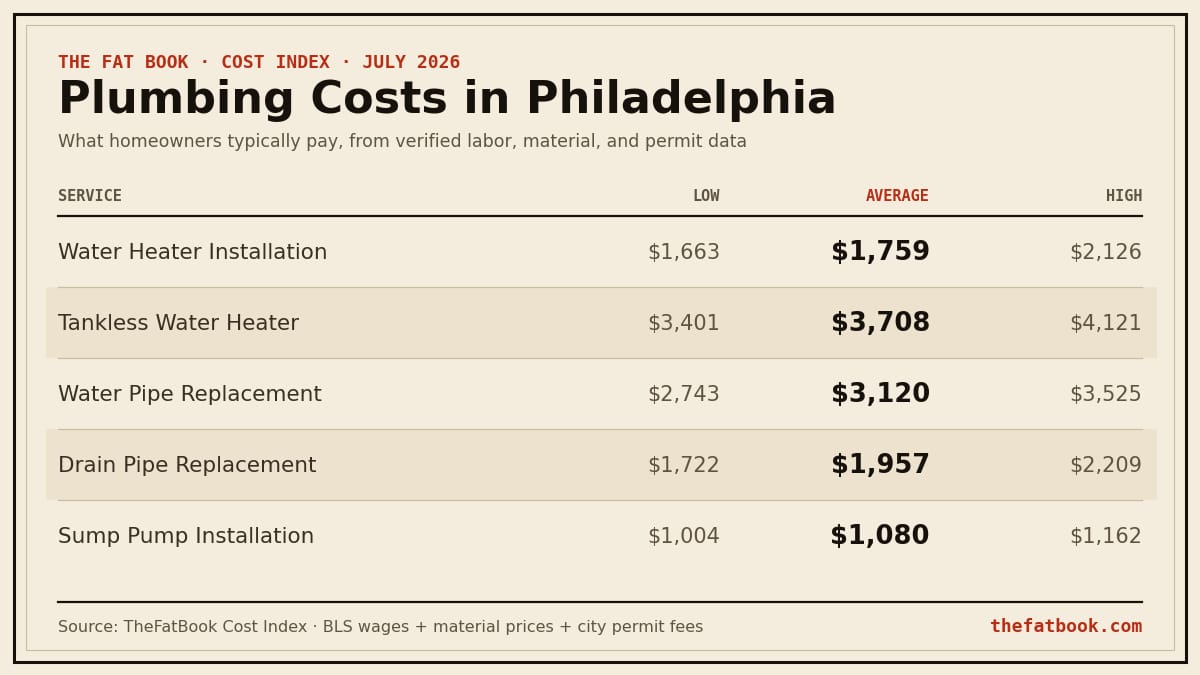
Embed this chart on your site (free, with attribution)
| Service | Low | Average | High |
|---|---|---|---|
| Water Heater Installation · 50 gallon | $1,851 | $1,971 | $2,167 |
| Tankless Water Heater | $3,401 | $3,703 | $4,043 |
| Plumbing Repairs | $331 | $377 | $427 |
| Hot Water Dispenser Installation | $1,021 | $1,066 | $1,115 |
| Water Pipe Replacement · 100 linear ft | $838 | $949 | $1,069 |
| Drain Pipe Replacement · 50 linear ft | $828 | $938 | $1,057 |
| Laundry Tub Installation | $707 | $806 | $912 |
| Water Softener Installation | $2,148 | $2,313 | $2,491 |
| Sump Pump Installation | $1,161 | $1,258 | $1,361 |
| Drain Cleaning | $415 | $473 | $535 |
| Gas Line Installation · 25 linear ft | $878 | $995 | $1,121 |
| Sewer Line Replacement · 24 linear ft | $8,208 | $9,345 | $10,570 |
| Interior Sewer Line Replacement · 18 linear ft | $4,306 | $4,900 | $5,540 |
| Shower Valve Replacement | $660 | $752 | $851 |
| Whole-House Repipe (Copper) | $9,817 | $11,178 | $12,644 |
| Water Main Replacement · 40 linear ft | $3,935 | $4,477 | $5,061 |
| PEX Repipe | $5,175 | $5,890 | $6,661 |
| Well Pump Installation | $2,612 | $2,816 | $3,035 |
| Backflow Preventer Installation | $527 | $600 | $679 |
| Water Filtration System Installation | $2,407 | $2,543 | $2,947 |
| French Drain Installation | $4,722 | $5,379 | $6,087 |
| Sewage Ejector Pump Replacement | $1,281 | $1,368 | $1,496 |
| Hydro Jetting | $623 | $710 | $803 |
| Septic Tank Installation | $6,408 | $7,018 | $7,676 |
| Sprinkler System Installation | $4,195 | $4,773 | $5,397 |
Before you get bids in Philadelphia.
Philadelphia permits.
Plumbing base: $58
HVAC base: $77
Source-backed permit facts from PermitCalculator.com and the underlying permits_compiled dataset. Always confirm final requirements with the local building department before filing.